Montaione Onyx
- Home
- |
- Discover Montaione
- |
- Montaione Onyx
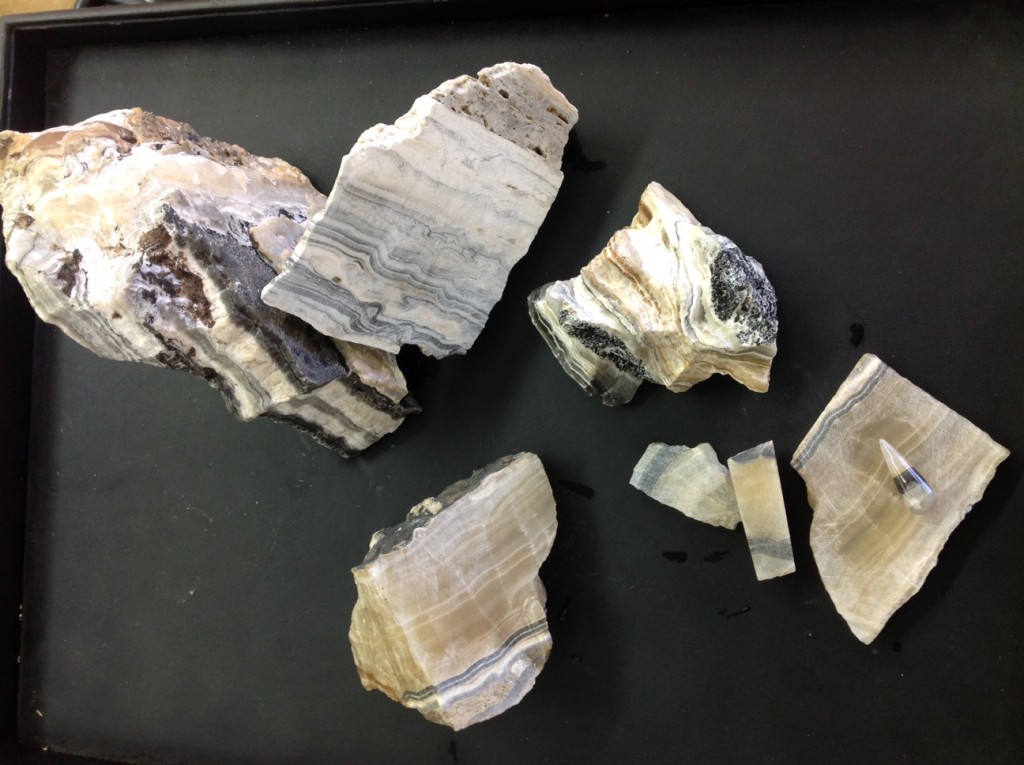
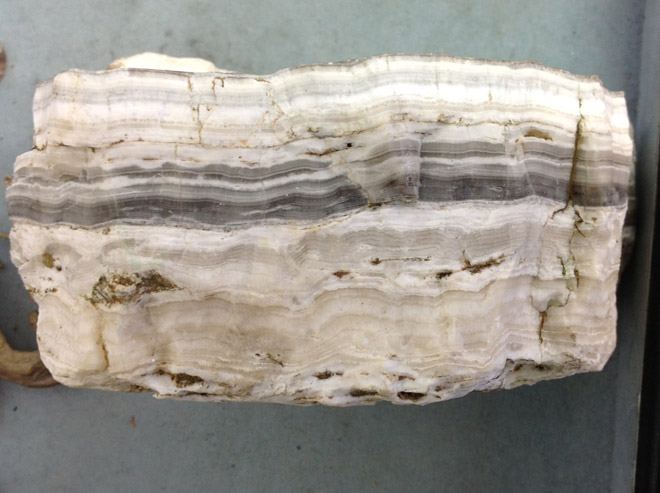
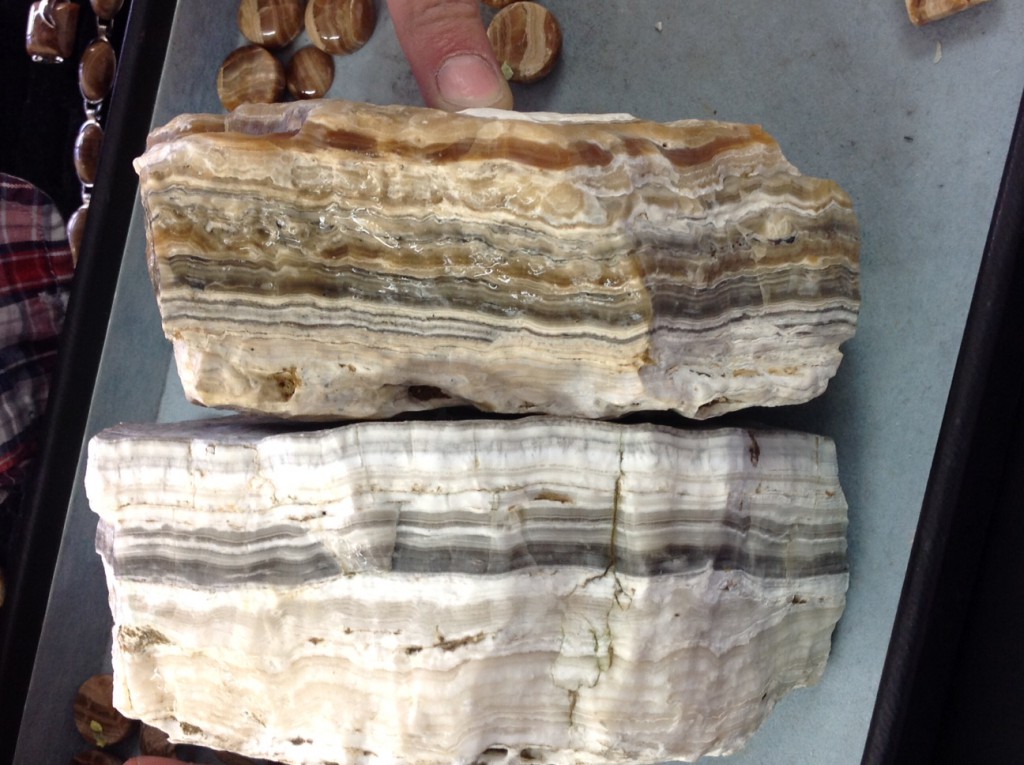
In the southern part of the Montaione area, near Iano, fractures in the travertine banks reveal veins of a variety of calcareous alabaster, which, due to its nature and colours – usually shades of white, grey, brown and tan – is commonly referred to as alabaster-onyx.
The most obvious structural characteristics of this stone are reminiscent of real onyx, a variety of chalcedony with typical black and white streaks. In this specific case, however, it is simply calcium carbonate that has undergone a process of reprecipitation and recrystallisation, filling the vertical cracks in the original travertine. Alabaster-onyx should not be confused with the less valuable chalky alabaster of Volterra.
The excavation of Montaione onyx, especially in the California area, was occasional at the beginning of the 20th century, but from the late 1960s onwards it was practised intensively, employing up to 15 people in the extraction process alone. In the 1970s, the manufacture of ornamental objects also became widespread. Data show that 15 workers were employed in the processing of non-metallic minerals in the municipality of Montaione in 1951, 71 in 1971 and 21 in 1981, with an increase in the first twenty years well above the average for the Lower Valdelsa area, an increase that is probably attributable to the processing of onyx, just as the reduction can be attributed to the decline in the processing of onyx.
Mining activities continued only until the first half of the 1980s, and today there is only one craftsman left in Montaione who specialises in working with semi-precious stones. He has gradually diversified his production of decorative objects, giving greater space to alternative materials rather than Montaione onyx due to the scarcity of the raw material.
Montaione onyx is a very special product with valuable chromatic effects. Its preciousness is due to the special geological conditions of the area, which has an abundant presence of various other minerals that have contributed to its specific formation.
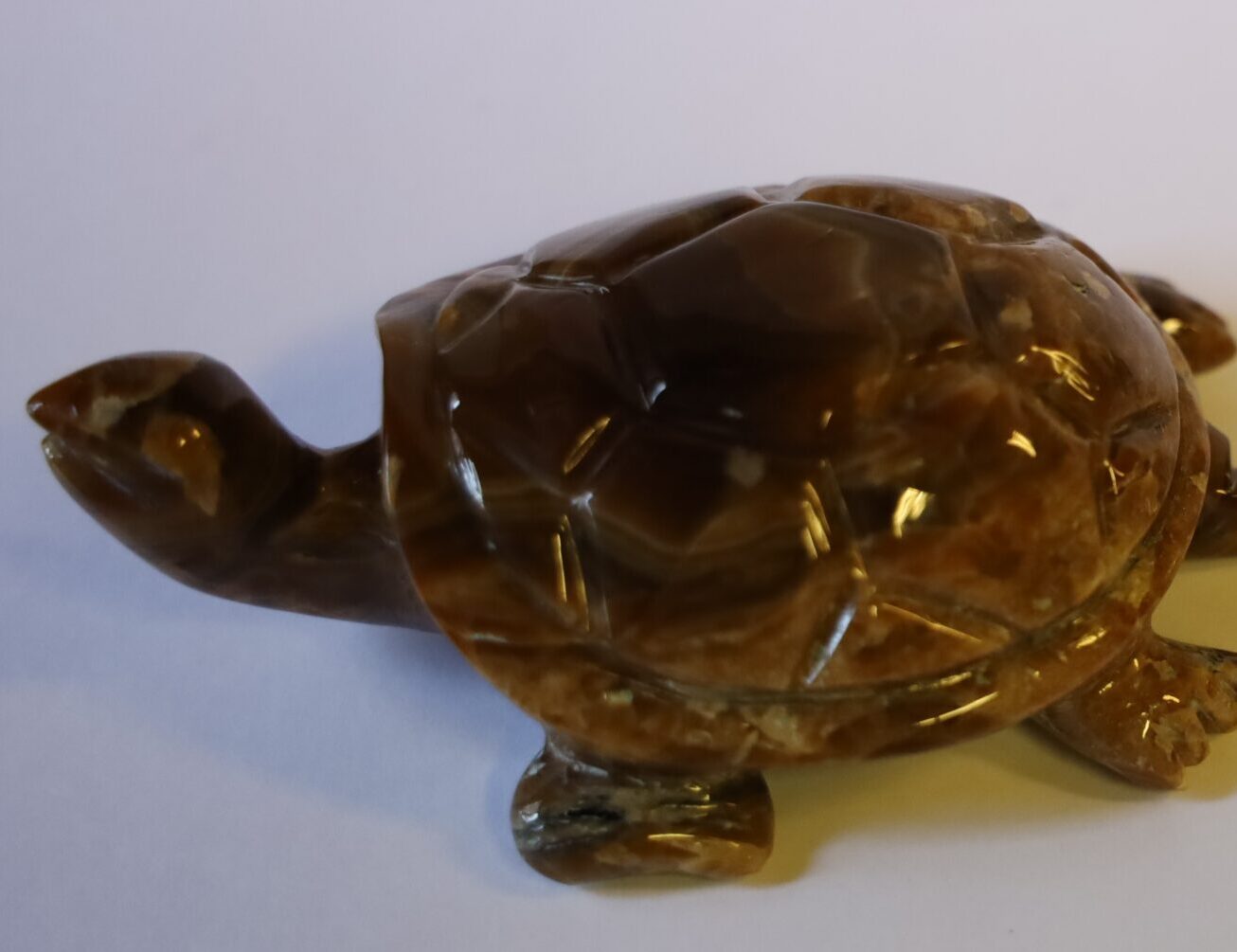
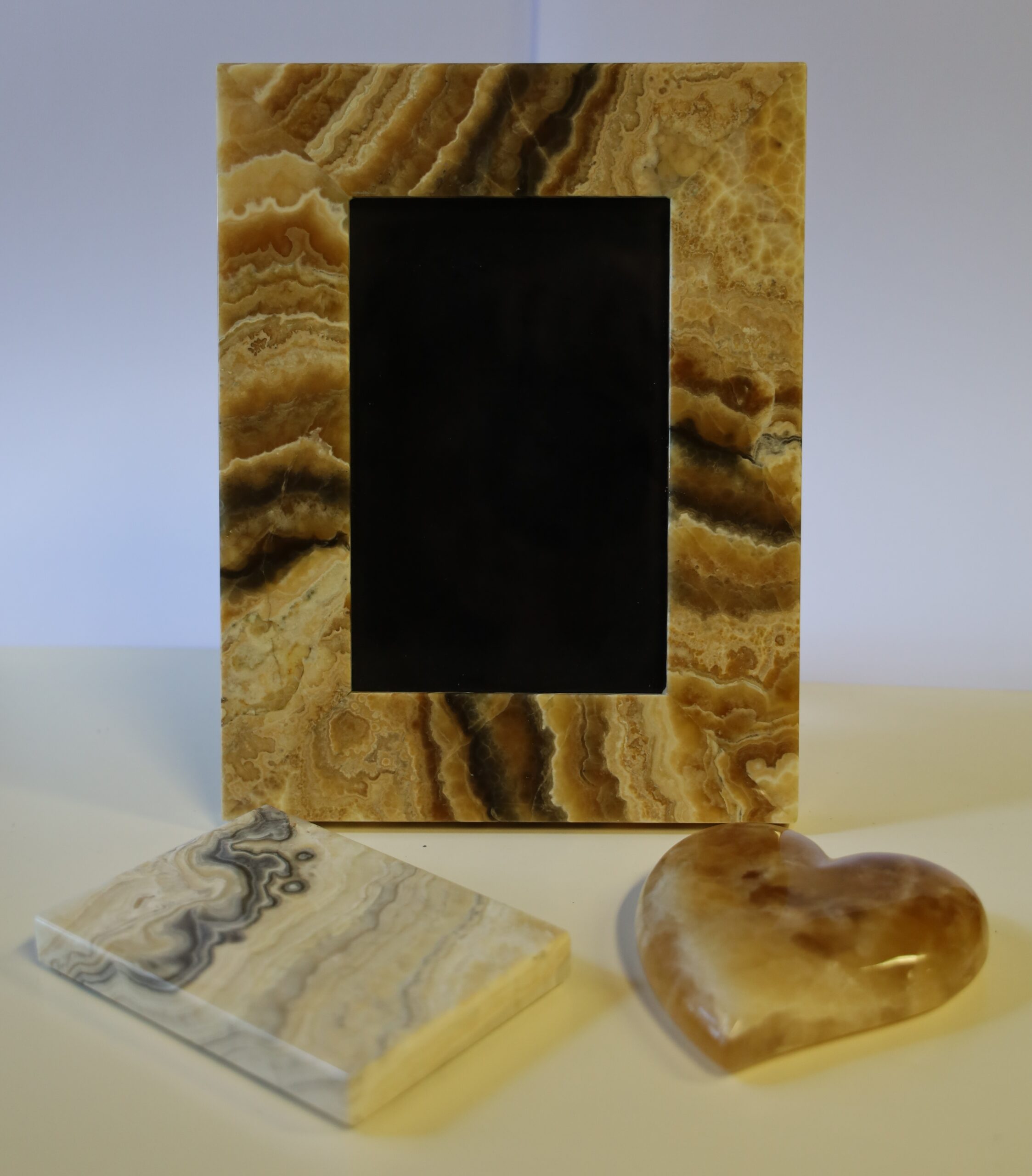
The success of this material from the 1960s to the 1980s is linked to its characteristics, which make it easy to work and polish, suitable for creating a variety of valuable objects such as statues, ornaments, slabs for interior and exterior cladding, tables, etc.